
MEDIA RELEASE
Not A Party (NAP)
27 October 2026
Don’t Vote Harder
NOT A PARTY URGES VOTERS: STAND FIRM. DO NOT VOTE HARDER BEFORE VOTING BEGINS.
Election Day is not a competitive sport.
Happy first day of voting!
Not A Party today calls on voters to stand firm in the face of mounting irrational pressure to start voting harder than ever before, before the time to vote has even arrived.
Across the nation, citizens are being encouraged to demonstrate their democratic enthusiasm, intensify their electoral commitment, and apparently work themselves into a state of civic frenzy. Not A Party reminds the public that voting is a constitutional right, not an endurance event. There are no bonus points for premature enthusiasm, no extra democratic credit for working yourself into a lather, and no special prize for being the first person to lose their mind over an election.
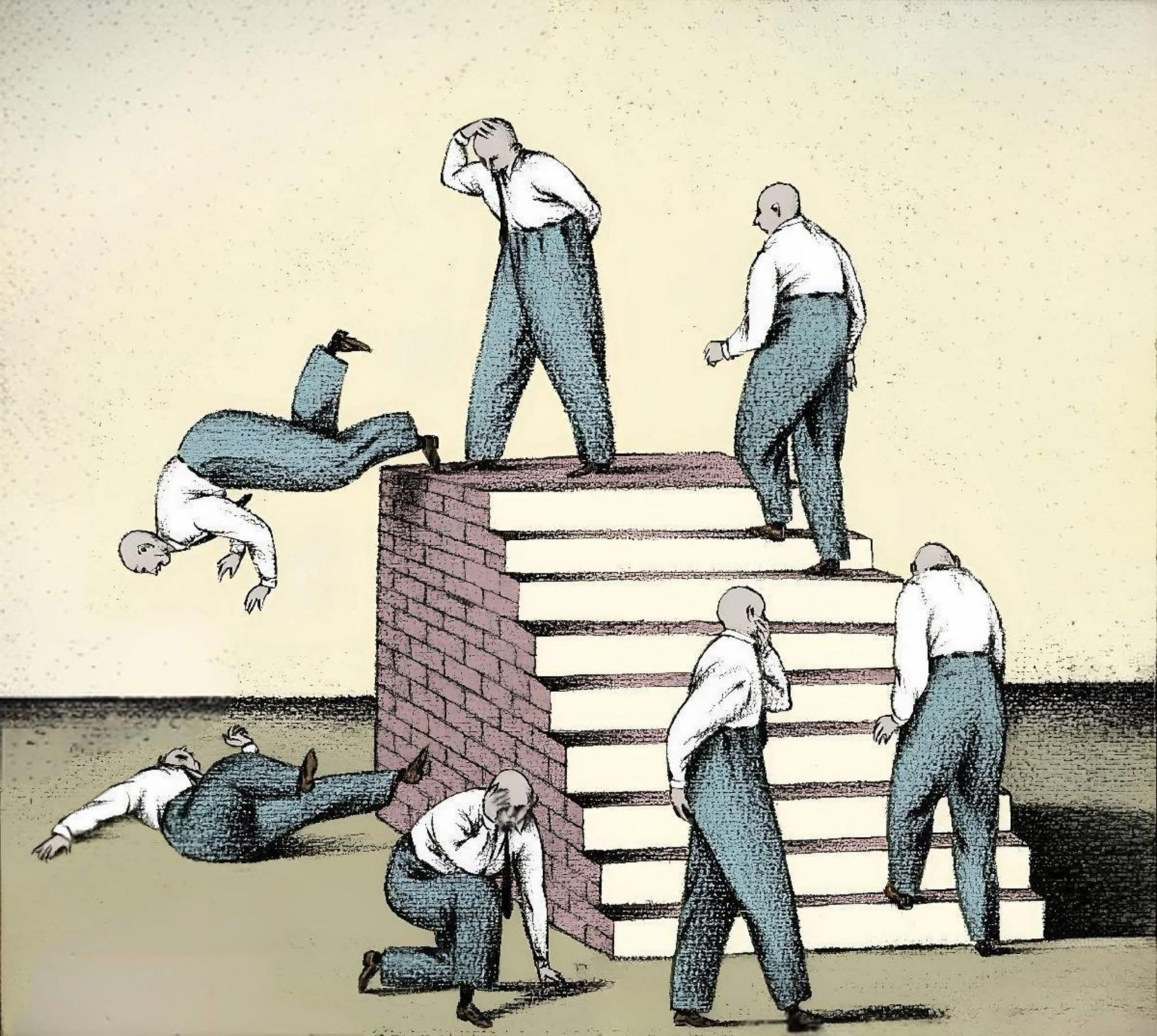
We urge voters to remain calm, resist the pressure to escalate, and remember that there is a proper time to vote.
Democracy depends on people making their own decisions, not on being swept along by the manufactured urgency of the crowd. You do not have to vote harder because someone else is shouting louder. You do not have to surrender your judgement to the prevailing mood. And you certainly do not have to mistake the intensity of political campaigning for the quality of political thought.
Not A Party believes in the right of every citizen to think for themselves, to question the prevailing wisdom, and to participate in democracy without being bullied into a frenzy.
We therefore encourage voters to stand firm, keep their powder dry, and resist all unreasonable demands for premature electoral exertion.
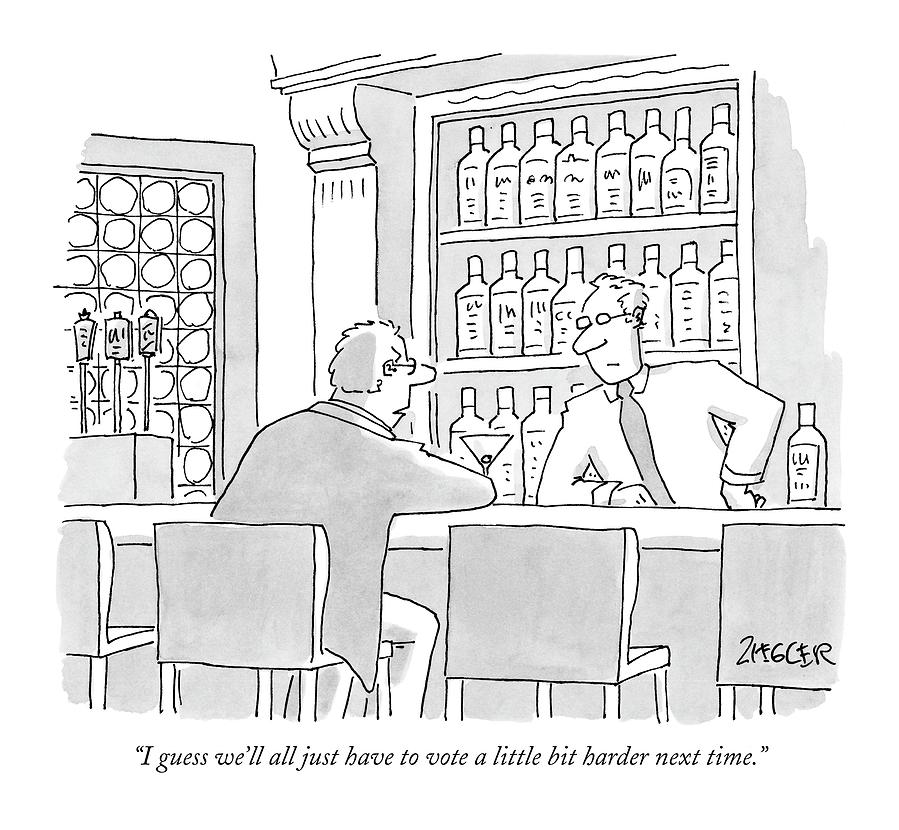
When the time comes, don’t vote.
Until then, please refrain from voting harder than the situation warrants.
Not A Party.
Because sometimes the most democratic thing you can do is refuse to join the stampede.
ENDS